
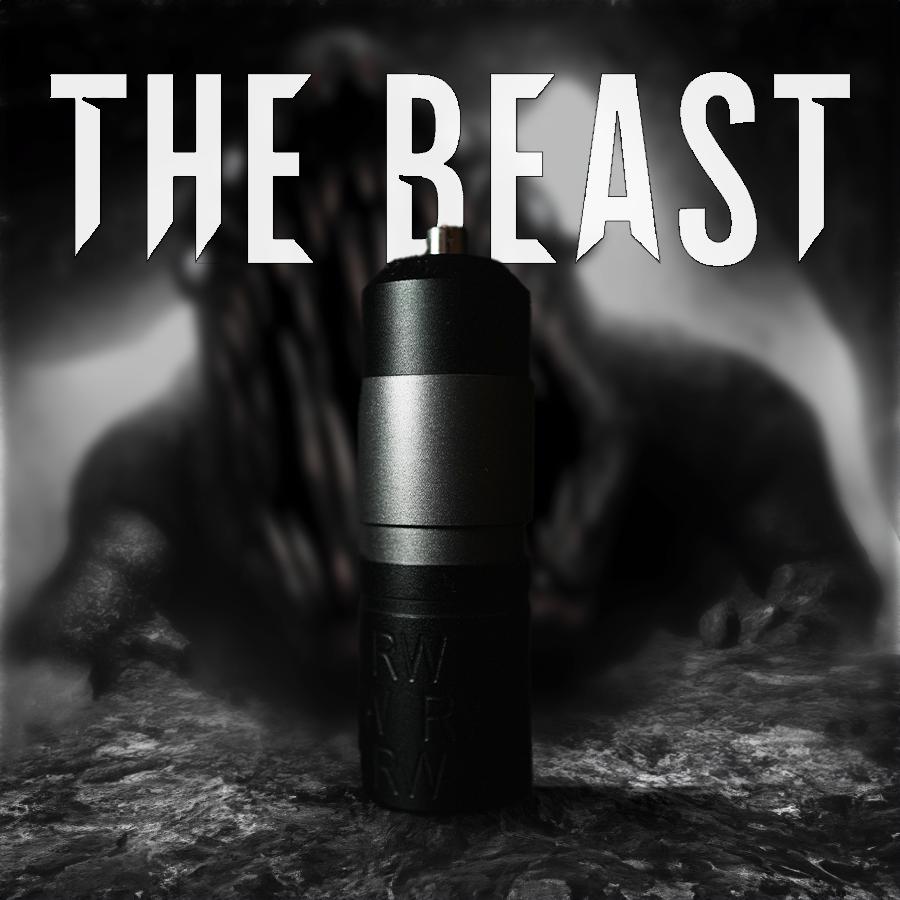
The Evolution of Ergonomic Design in Modern Tattooing
The metamorphosis of tattoo equipment has reached unprecedented sophistication levels, particularly in ergonomic tattoo machine design. Contemporary artisans demand instruments that harmonize precision with physiological comfort, enabling marathon sessions without compromising artistic integrity. This evolution transcends mere aesthetic modifications—it represents fundamental engineering breakthroughs that address the biomechanical stresses inherent in professional tattooing.
Traditional coil machines, while historically significant, imposed substantial physical toll on practitioners. The repetitive motions, coupled with suboptimal weight distribution and vibration patterns, frequently resulted in occupational injuries. Modern rotary technology has revolutionized this paradigm through sophisticated engineering principles that prioritize operator wellness alongside performance excellence.
Anatomical Considerations in Machine Architecture
Hand Mechanics and Grip Optimization
Professional tattoo artists execute thousands of micro-movements during extended sessions. Each grip adjustment, pressure variation, and angular modification places distinct demands on the intricate musculature of the hand and forearm. Ergonomic tattoo machine design must accommodate these physiological realities through meticulous consideration of grip diameter, surface texturing, and weight distribution vectors.
The human hand operates optimally within specific dimensional parameters. Grip circumference ideally ranges between 32-38 millimeters for most practitioners, allowing natural finger positioning without excessive flexion or extension. Surface materials require sufficient tactile feedback while maintaining hygiene standards—a delicate balance achieved through advanced polymer formulations and precision machining techniques.
Weight Distribution and Balance Dynamics
Center of gravity positioning dramatically influences operator fatigue levels during prolonged sessions. Machines exhibiting forward-heavy characteristics force compensatory muscle activation, accelerating exhaustion onset. Conversely, rear-weighted designs may compromise precision control, particularly during intricate linework or detailed shading applications.
"The perfect tattoo machine should feel like a natural extension of the artist's hand, disappearing into their technique rather than fighting against it."
The Pen 2: Engineering Excellence for Professional Demands
Rotaryworksmachines has engineered The Pen 2 rotary machine specifically to address the ergonomic challenges faced by professional tattoo artists during extended sessions. This innovative instrument represents the culmination of extensive research into biomechanical optimization and precision engineering principles.
The Pen 2 incorporates advanced weight distribution technology, positioning the center of gravity precisely within the optimal zone for reduced hand fatigue. Its meticulously crafted grip diameter accommodates natural hand positioning, while the proprietary motor housing minimizes vibration transmission to the operator's hand and arm. This UK-manufactured machine demonstrates how thoughtful ergonomic tattoo machine design can significantly enhance both artist comfort and work quality.
Vibration Mitigation and Motor Technology
Frequency Harmonics and Resonance Control
Vibration transmission represents one of the most insidious factors contributing to artist fatigue and long-term injury risk. High-frequency oscillations, particularly those exceeding 50Hz, can trigger neurological responses leading to numbness, tingling, and reduced tactile sensitivity. Advanced ergonomic tattoo machine design employs sophisticated dampening systems to attenuate these harmful frequencies.
Contemporary rotary motors utilize precision-balanced rotors and specialized bearing assemblies to minimize unwanted vibration generation. Additionally, strategic placement of dampening materials—often utilizing viscoelastic polymers—creates isolation barriers between the motor assembly and grip components.
Torque Delivery and Consistency
Consistent power delivery eliminates the need for compensatory pressure adjustments during operation. Variable torque output forces artists to continuously modify their grip pressure and technique, accelerating fatigue accumulation. Premium machines maintain steady output across varying needle configurations and skin resistance levels.
| Motor Characteristic | Impact on Ergonomics | Optimization Strategy |
|---|---|---|
| Vibration Level | Reduces hand sensitivity | Precision balancing + dampening |
| Torque Consistency | Minimizes grip adjustments | Electronic regulation systems |
| Heat Generation | Affects comfort during sessions | Efficient heat dissipation design |
Material Science in Ergonomic Applications
Surface treatments and material selection profoundly influence user experience during extended sessions. Conventional metallic surfaces may become slippery when exposed to typical workshop conditions, compromising grip security. Advanced ergonomic tattoo machine design incorporates specialized coatings and surface texturing to maintain consistent grip characteristics regardless of environmental factors.
Anodized aluminum surfaces provide excellent durability while enabling precise texture control through controlled oxidation processes. Alternative approaches utilize diamond-like carbon (DLC) coatings, offering superior wear resistance and unique tactile properties that enhance grip security without excessive surface roughness.
Thermal Management and Comfort
Heat accumulation during extended sessions creates multiple ergonomic challenges. Elevated temperatures affect grip comfort and may cause perspiration, further compromising control security. Sophisticated thermal management systems integrate heat dissipation features directly into the machine architecture.
Strategic placement of cooling fins, thermal conductive pathways, and heat sink elements maintains optimal operating temperatures. Some advanced designs incorporate thermoelectric cooling elements, though these typically add complexity and weight that may offset ergonomic benefits.
Customization and Individual Adaptation
Recognition that individual hand anatomy varies significantly has led to modular ergonomic solutions within premium machine designs. Interchangeable grip components accommodate different hand sizes and preferred holding techniques. This personalization capability represents the next evolutionary step in ergonomic tattoo machine design.
- Adjustable grip diameter sleeves
- Variable texture surface options
- Customizable weight distribution systems
- Modular balance point adjustment
Frequently Asked Questions About Ergonomic Design
How does grip diameter affect long-term hand health?
Inappropriate grip diameter forces unnatural finger positioning, leading to tendon stress and potential repetitive strain injuries. Optimal sizing allows relaxed finger curvature without excessive flexion or extension.
What role does machine weight play in session endurance?
Total weight matters less than weight distribution. A heavier machine with optimal balance often causes less fatigue than a lighter machine with poor center of gravity positioning.
Can vibration dampening affect needle performance?
Properly engineered dampening systems isolate harmful vibrations without interfering with essential needle movement characteristics. Quality systems enhance rather than compromise performance.
Future Directions in Ergonomic Innovation
Emerging technologies promise even more sophisticated approaches to ergonomic tattoo machine design. Biometric feedback systems may eventually provide real-time fatigue monitoring, alerting artists to optimal break intervals. Smart materials could adapt their properties based on detected grip pressure or environmental conditions.
Integration of micro-sensors and wireless connectivity opens possibilities for performance optimization algorithms that learn individual artist techniques and preferences. These adaptive systems represent the convergence of traditional craftsmanship with cutting-edge technology, ensuring that ergonomic advancement continues serving the artistic community's evolving needs.
The pursuit of perfect ergonomic tattoo machine design remains an ongoing journey, driven by deeper understanding of human biomechanics and advancing manufacturing capabilities. As the industry continues evolving, the fundamental principle remains constant: tools should enhance rather than hinder artistic expression.


Leave a comment
This site is protected by hCaptcha and the hCaptcha Privacy Policy and Terms of Service apply.